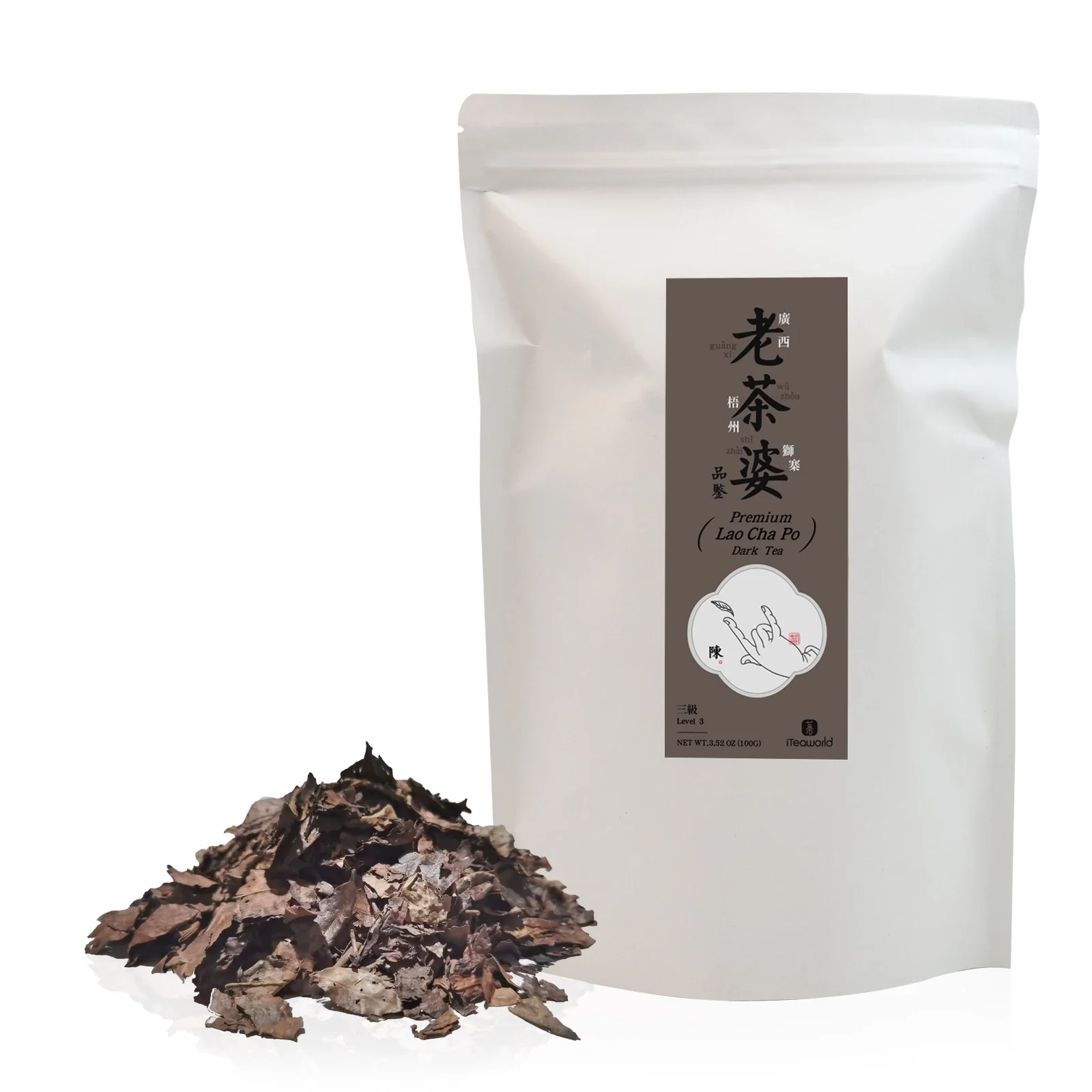
Lao Cha Po Liubao Dark Tea – Aged 2010, Wild Old Trees, Smooth & Sweet
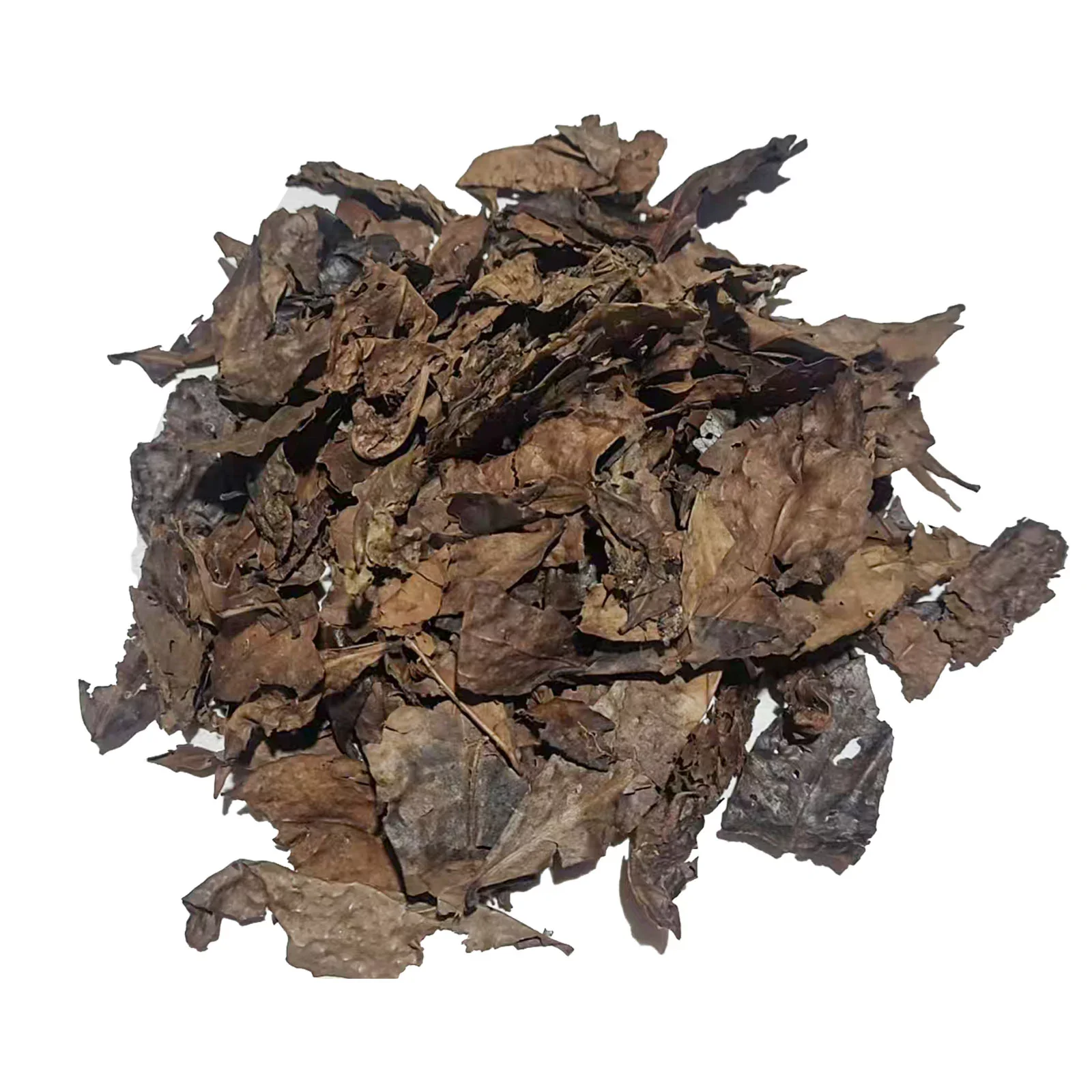
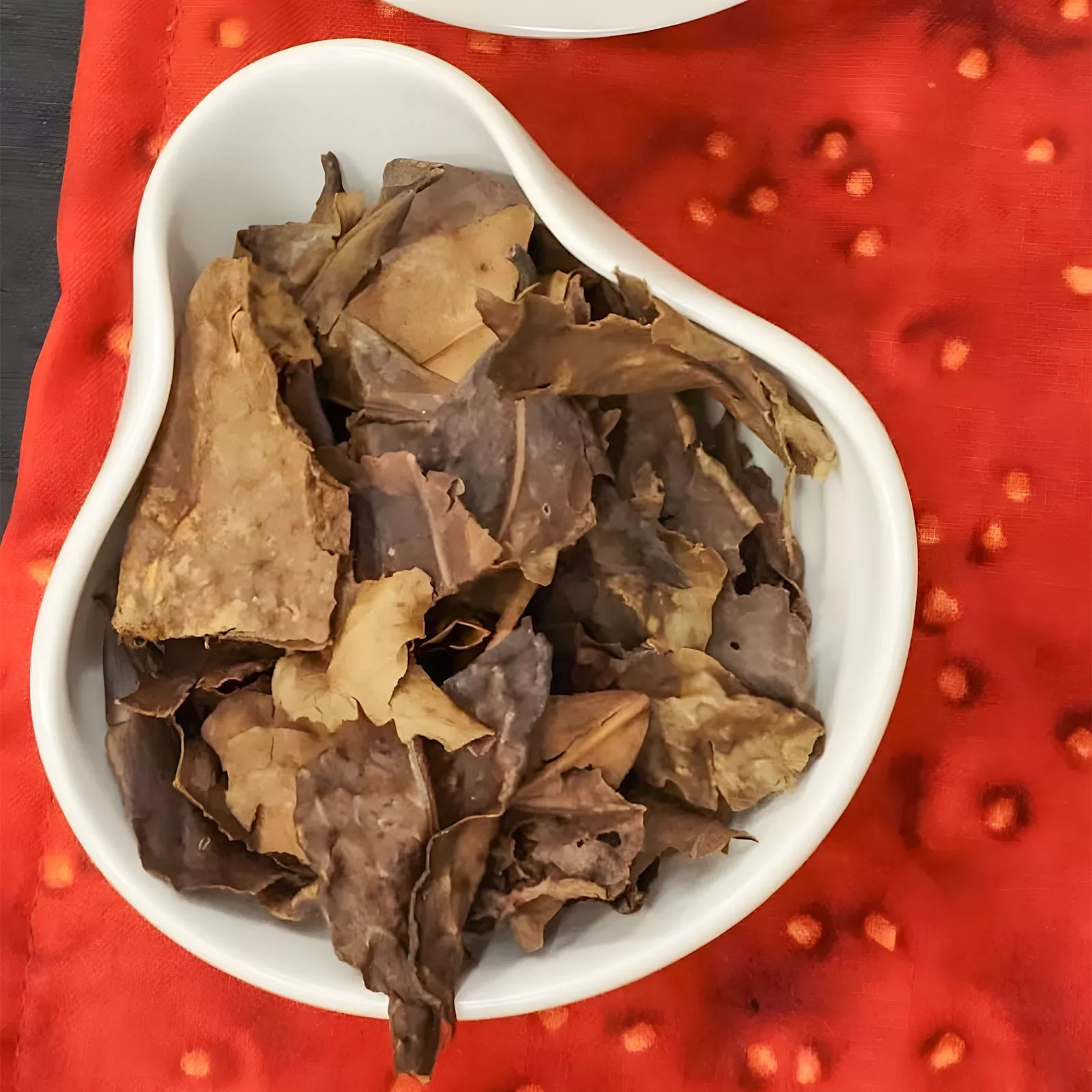
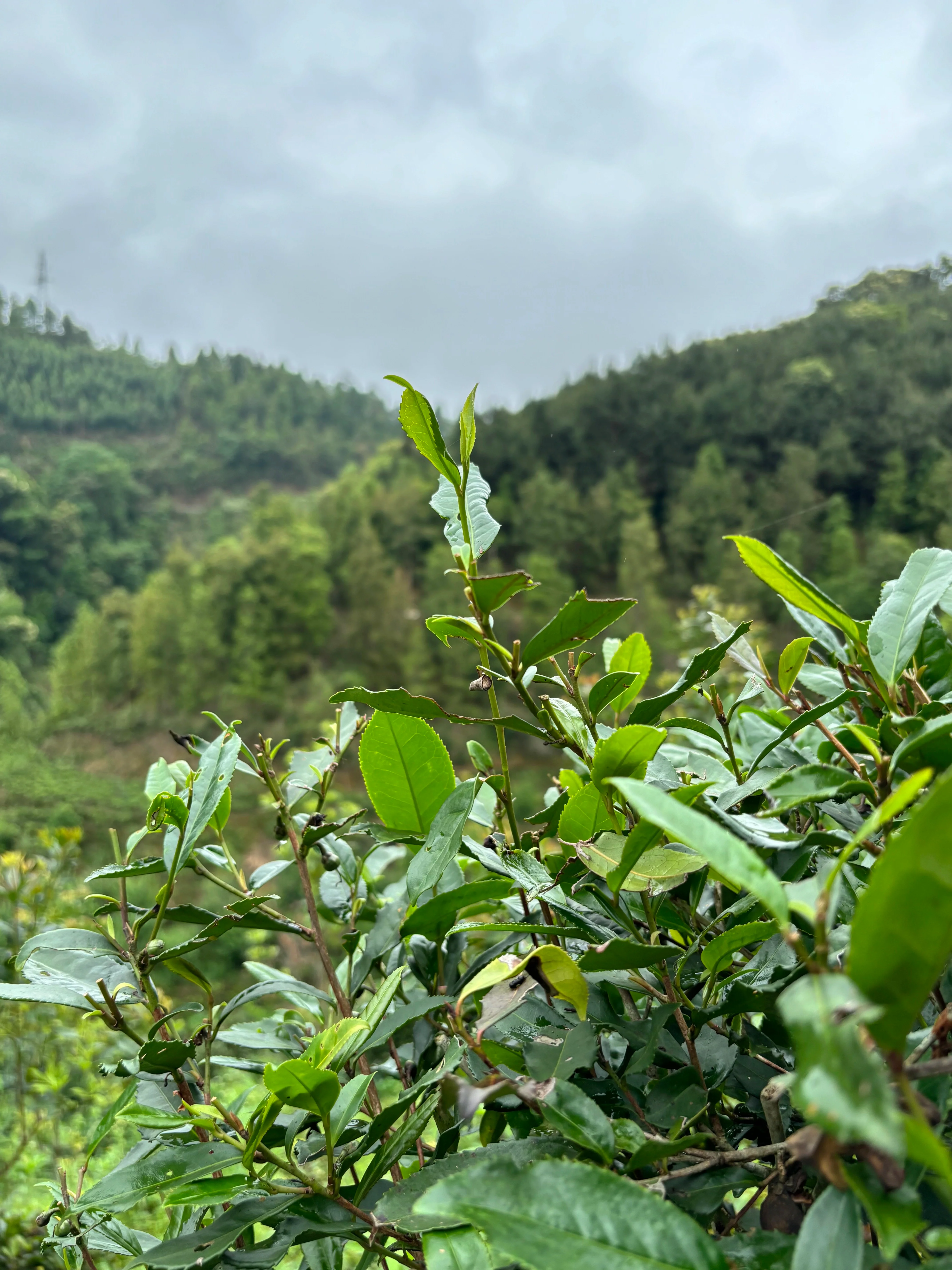
“Lao Cha Po” specifically refers to old leaves (not tender buds) harvested one week before and after Shuangjiang (one of China’s 24 solar terms, around October 23, marking the start of colder weather). These are mostly coarse leaves from the current year or 2–3-year-old growth. “Cha Po” is the Liubao people’s respectful name for old leaves. In the past, farmers sold tender buds as high-quality tea, while coarse old leaves were kept as everyday tea. The name reflects the farmers’ wisdom of “making full use of what you have.”
Around Shuangjiang, large temperature differences and reduced rainfall make the old leaves thicker and richer in sugars and nutrients, giving the tea a natural cane sugar sweetness. Tea harvested at this time has less astringency and a smoother, naturally sweet taste.
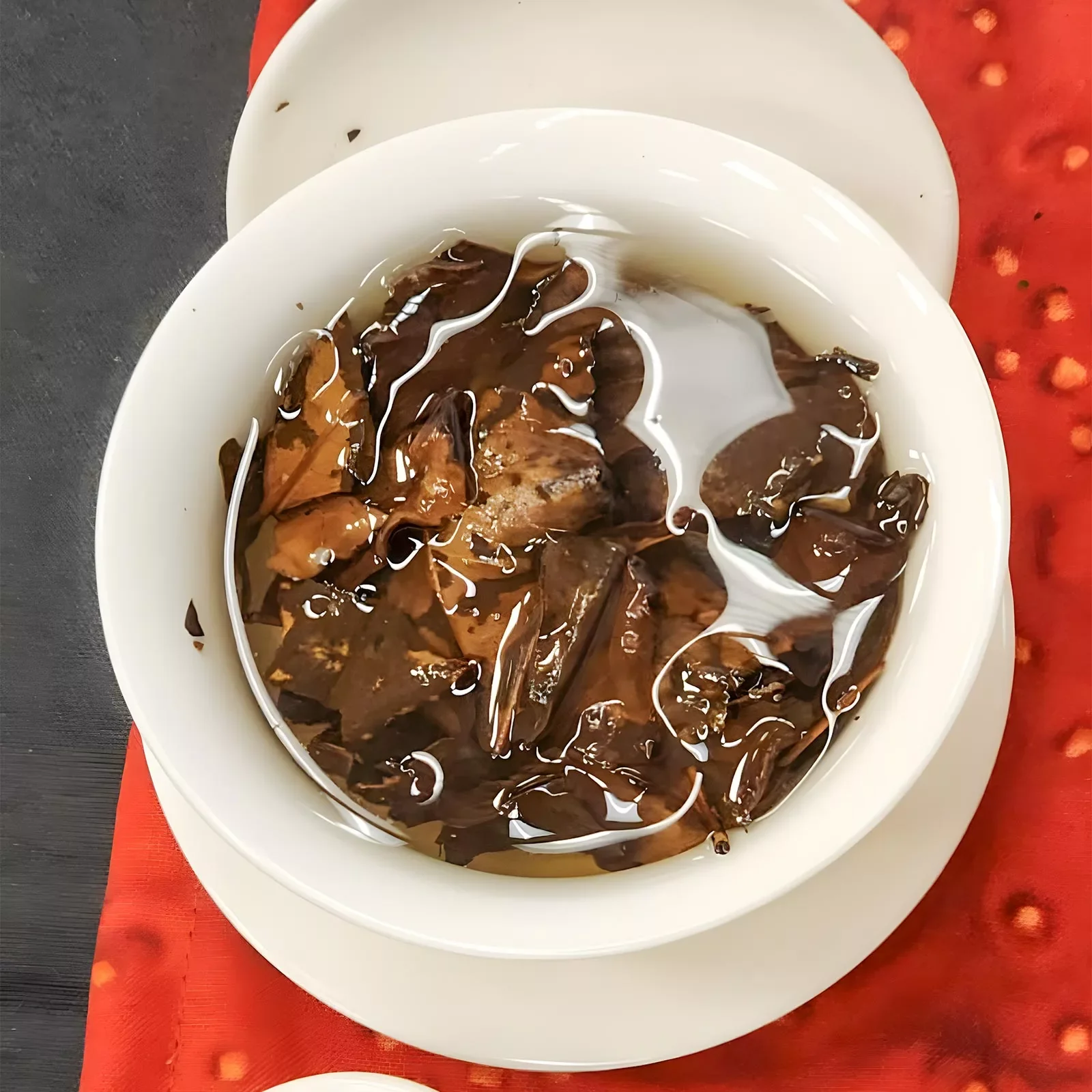
This Lao Cha Po tea was brewed at the tea bar during the 15th Northwest Tea Festival and loved by everyone, receiving high praise.
This tea is made using the traditional Liubao “picking and cleaning old leaves” method: fresh leaves are briefly blanched in hot water, then sun-dried or air-dried. Blanching reduces bitterness, while the drying process, similar to white tea, preserves most of the tea’s natural compounds.
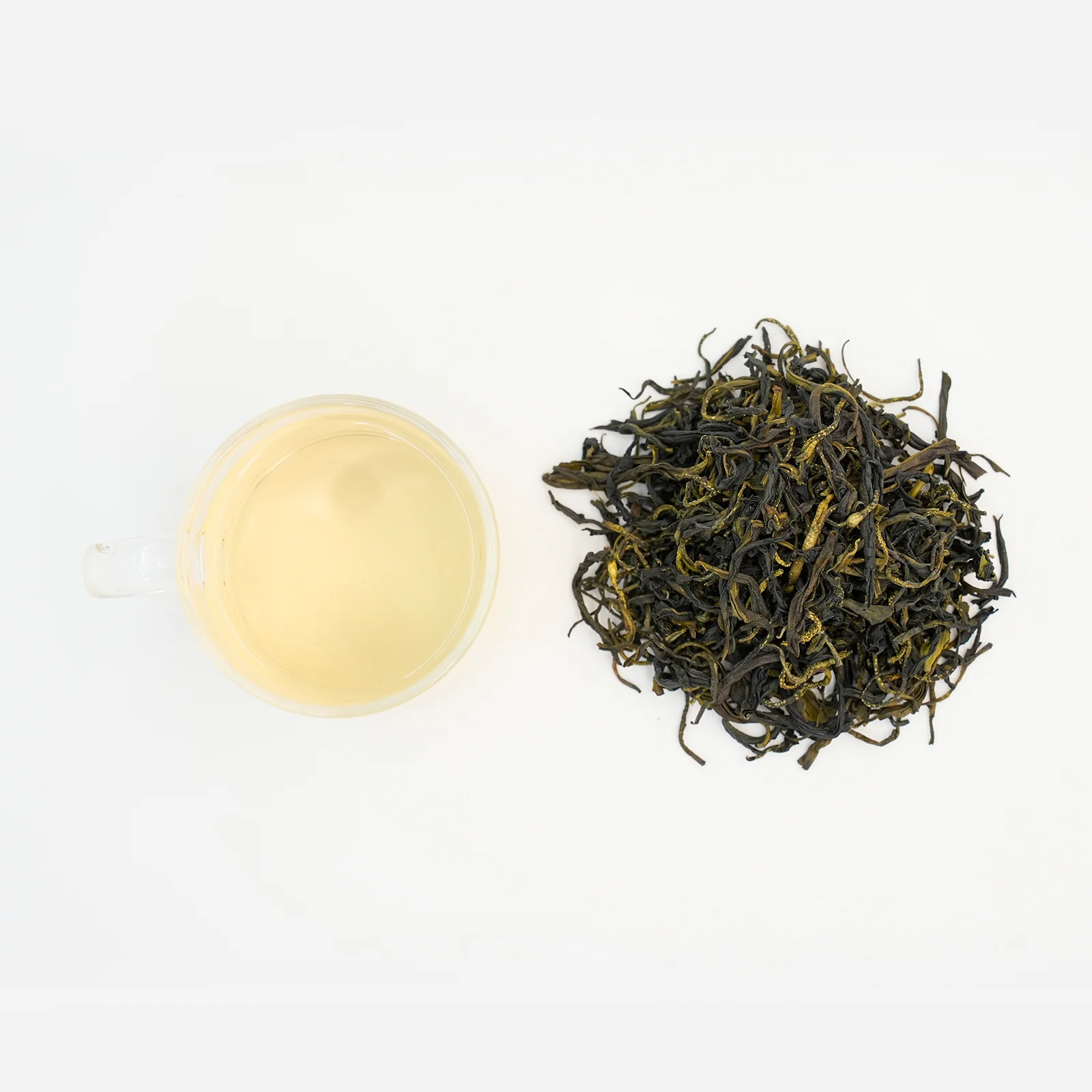
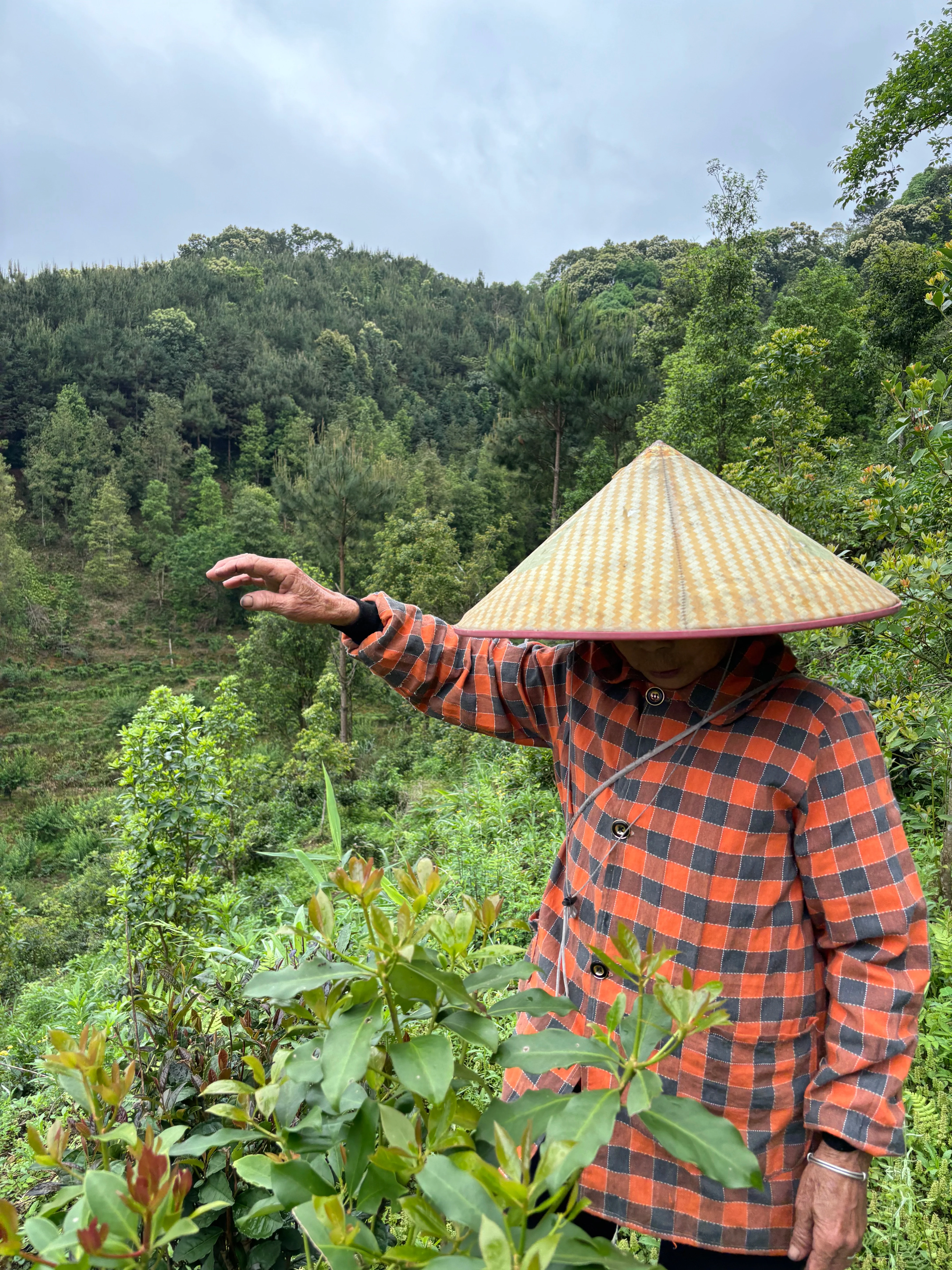
This batch of Lao Cha Po comes from wild, aged tea trees in Shizhai Town, Wuzhou City, with tree ages of 30–50 years, making the raw material rare. Because it uses old trees, even with only 20 years of aging, the tea exhibits flavor comparable to 30+ years aged tea. The tea has a distinct medicinal aroma and carries the forest-like character unique to old trees, offering a rich and unique flavor.
Product Information
Product Information
Shipping & Returns
Shipping & Returns
Description
“Lao Cha Po” specifically refers to old leaves (not tender buds) harvested one week before and after Shuangjiang (one of China’s 24 solar terms, around October 23, marking the start of colder weather). These are mostly coarse leaves from the current year or 2–3-year-old growth. “Cha Po” is the Liubao people’s respectful name for old leaves. In the past, farmers sold tender buds as high-quality tea, while coarse old leaves were kept as everyday tea. The name reflects the farmers’ wisdom of “making full use of what you have.”
Around Shuangjiang, large temperature differences and reduced rainfall make the old leaves thicker and richer in sugars and nutrients, giving the tea a natural cane sugar sweetness. Tea harvested at this time has less astringency and a smoother, naturally sweet taste.
This Lao Cha Po tea was brewed at the tea bar during the 15th Northwest Tea Festival and loved by everyone, receiving high praise.
This tea is made using the traditional Liubao “picking and cleaning old leaves” method: fresh leaves are briefly blanched in hot water, then sun-dried or air-dried. Blanching reduces bitterness, while the drying process, similar to white tea, preserves most of the tea’s natural compounds.
This batch of Lao Cha Po comes from wild, aged tea trees in Shizhai Town, Wuzhou City, with tree ages of 30–50 years, making the raw material rare. Because it uses old trees, even with only 20 years of aging, the tea exhibits flavor comparable to 30+ years aged tea. The tea has a distinct medicinal aroma and carries the forest-like character unique to old trees, offering a rich and unique flavor.